Come to the Country and Explore Your Potential

Montessori Country Day School



What is the MCDS difference?

Since 1987, Montessori Country Day School in the scenic countryside of Flower Mound has been a trusted place for children to grow, learn, and thrive. We offer a variety of Montessori programs, flexible and extended hours, certified teachers, and faculty that truly want to get to know each child.
Why Parents Choose MCDS Over Other Schools

Not all Montessori schools are the same and here’s why families choose MCDS again and again:

A Trusted Choice

Over the past decades, our families have sent multiple children to our school, trusting us, which is a testament to the care, quality, and connection we provide to our child.

Montessori Curriculum

At MCDS, we follow a true Montessori approach with hands-on, child-led learning guided by certified, passionate educators starting at 15 months old.

A Trusted Choice

Over the past decades, our families have sent multiple children to our school, trusting us, which is a testament to the care, quality, and connection we provide to our child.

A Beautiful Country Setting

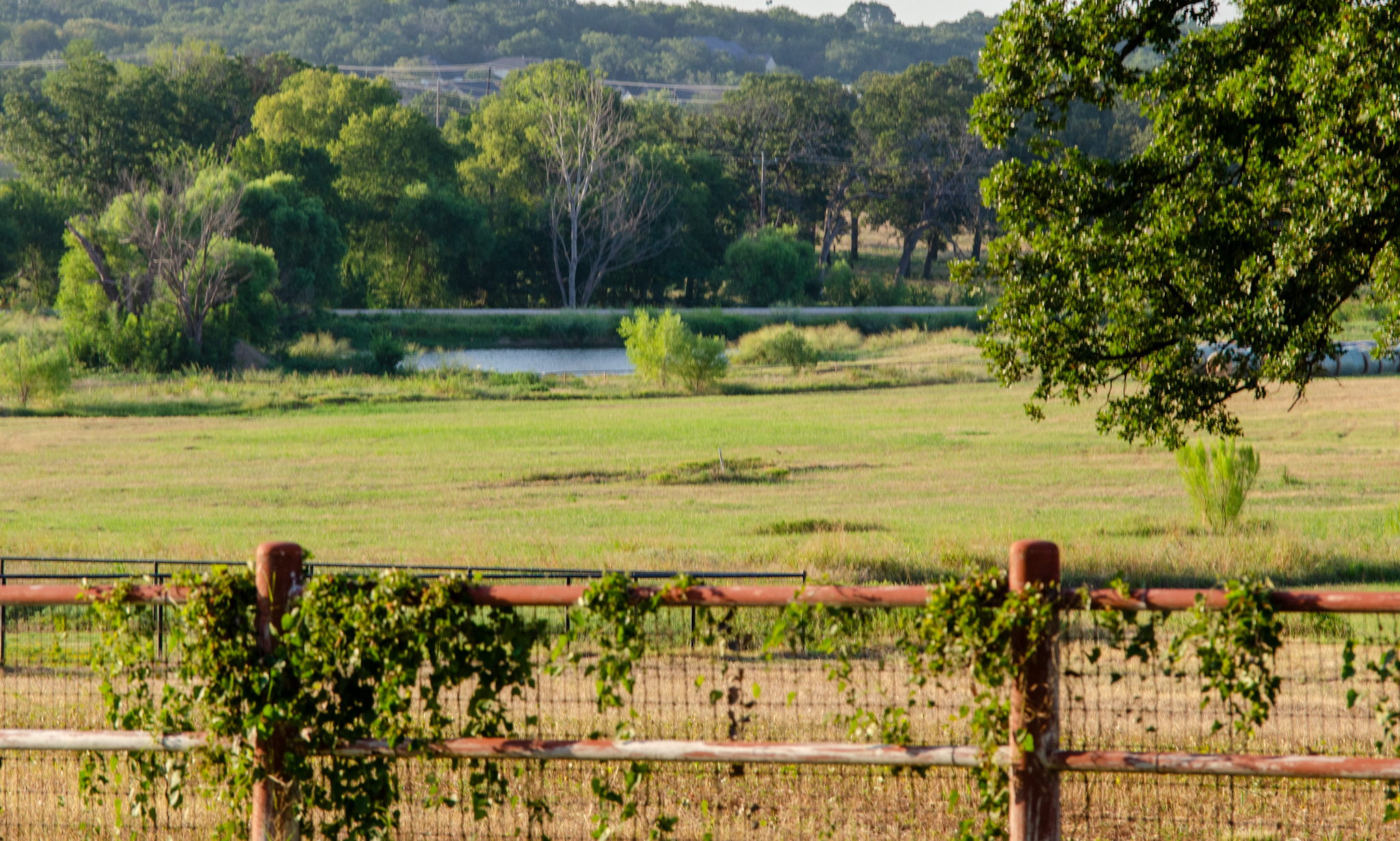
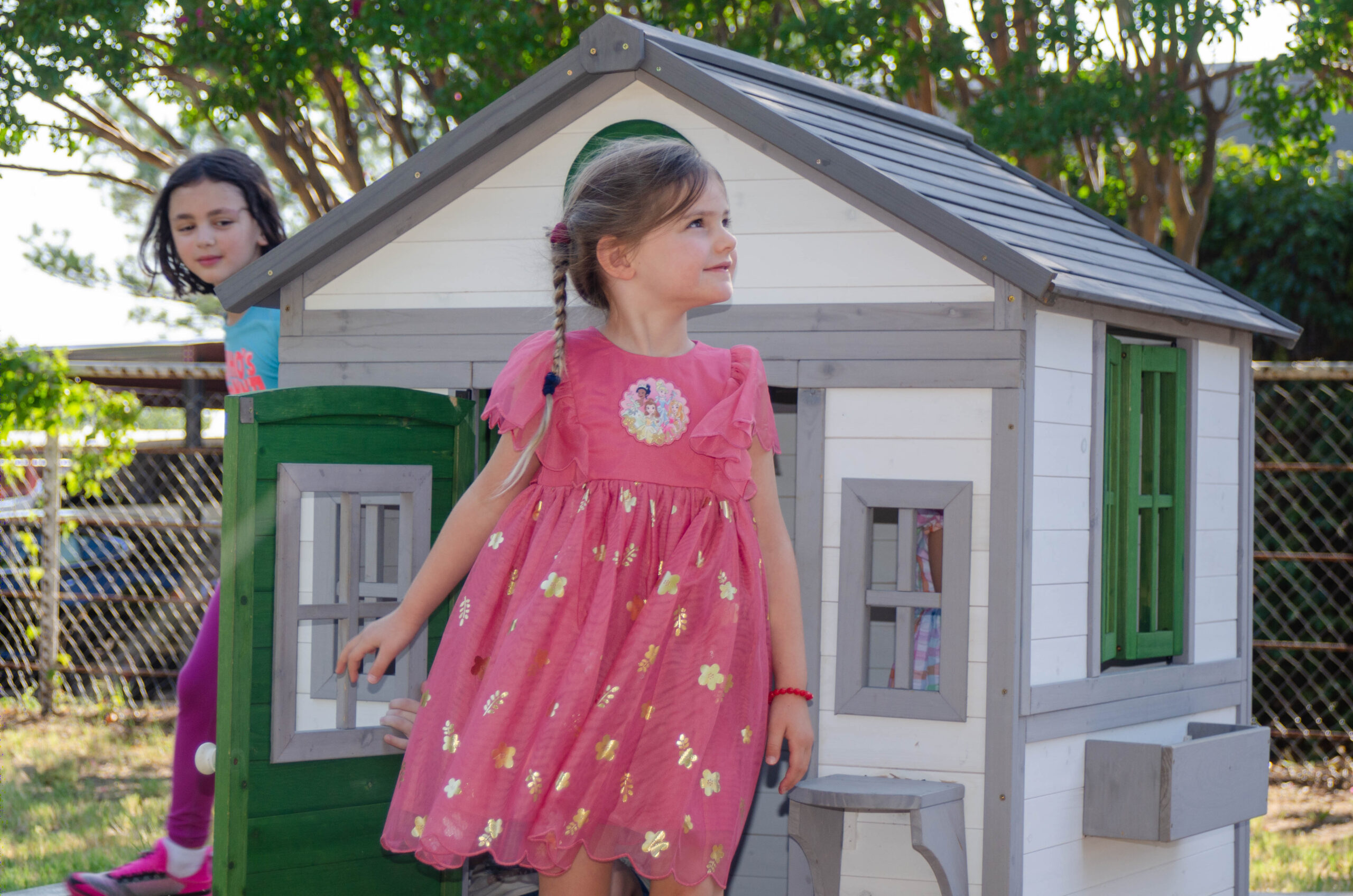
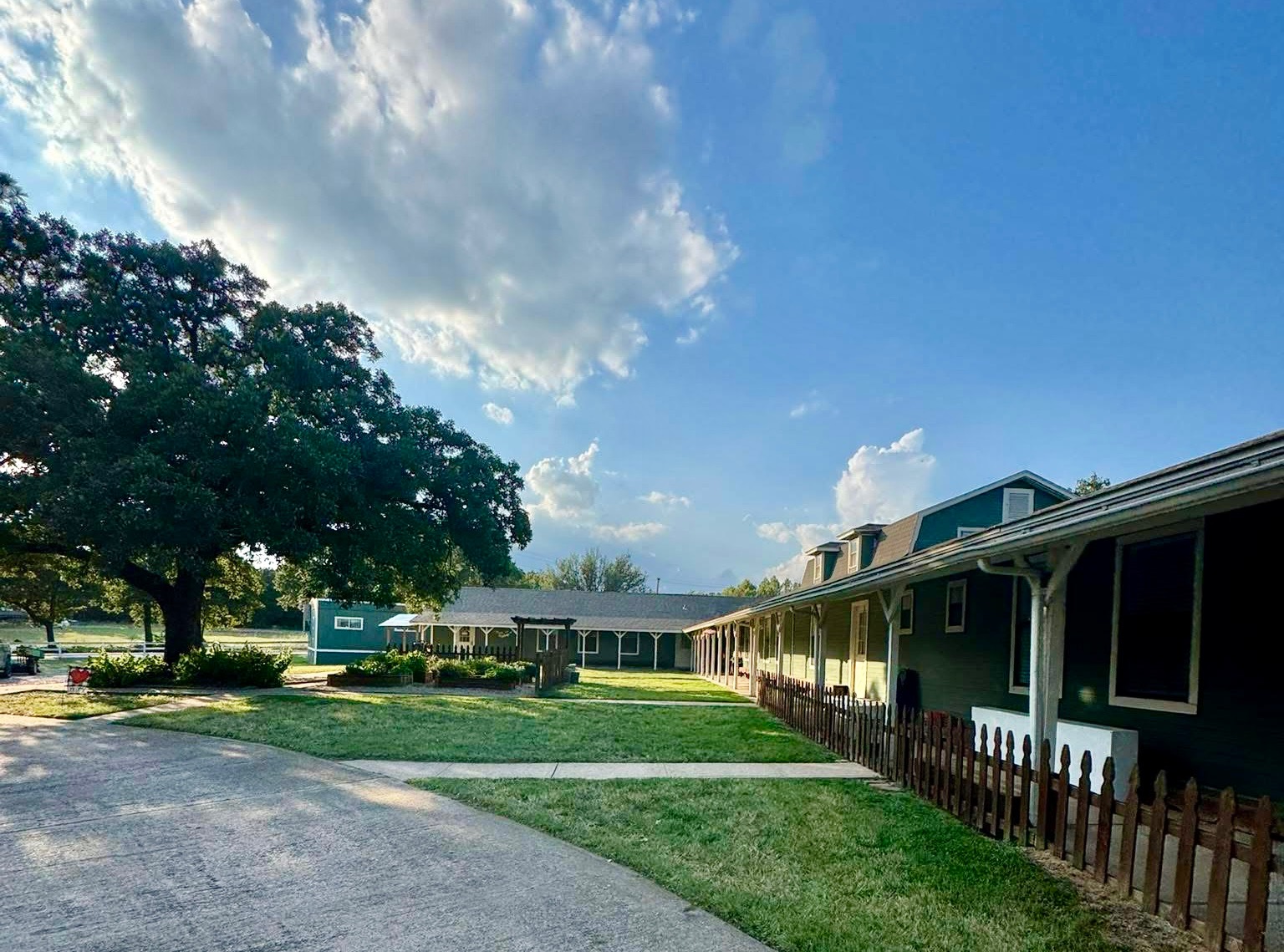
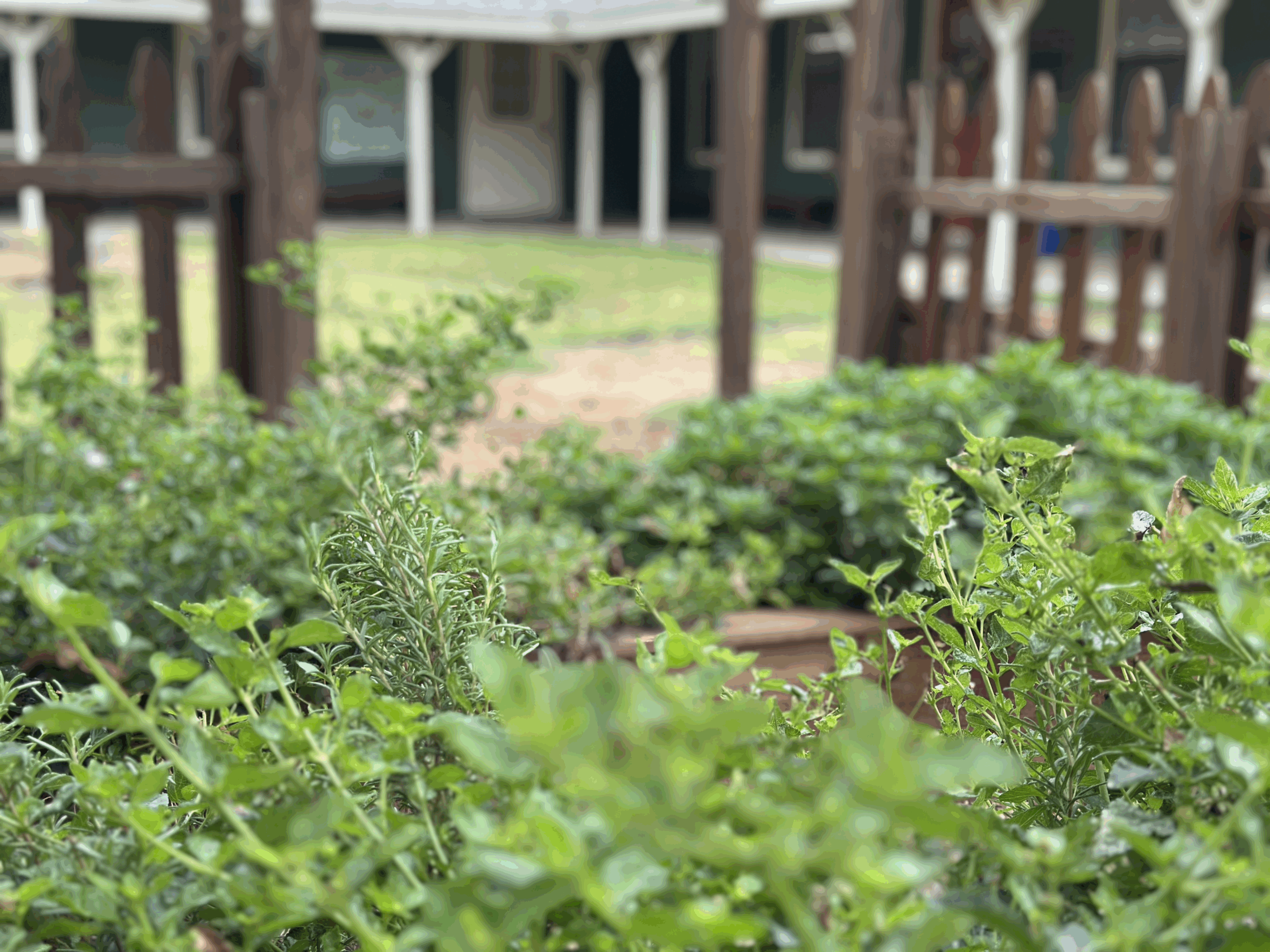
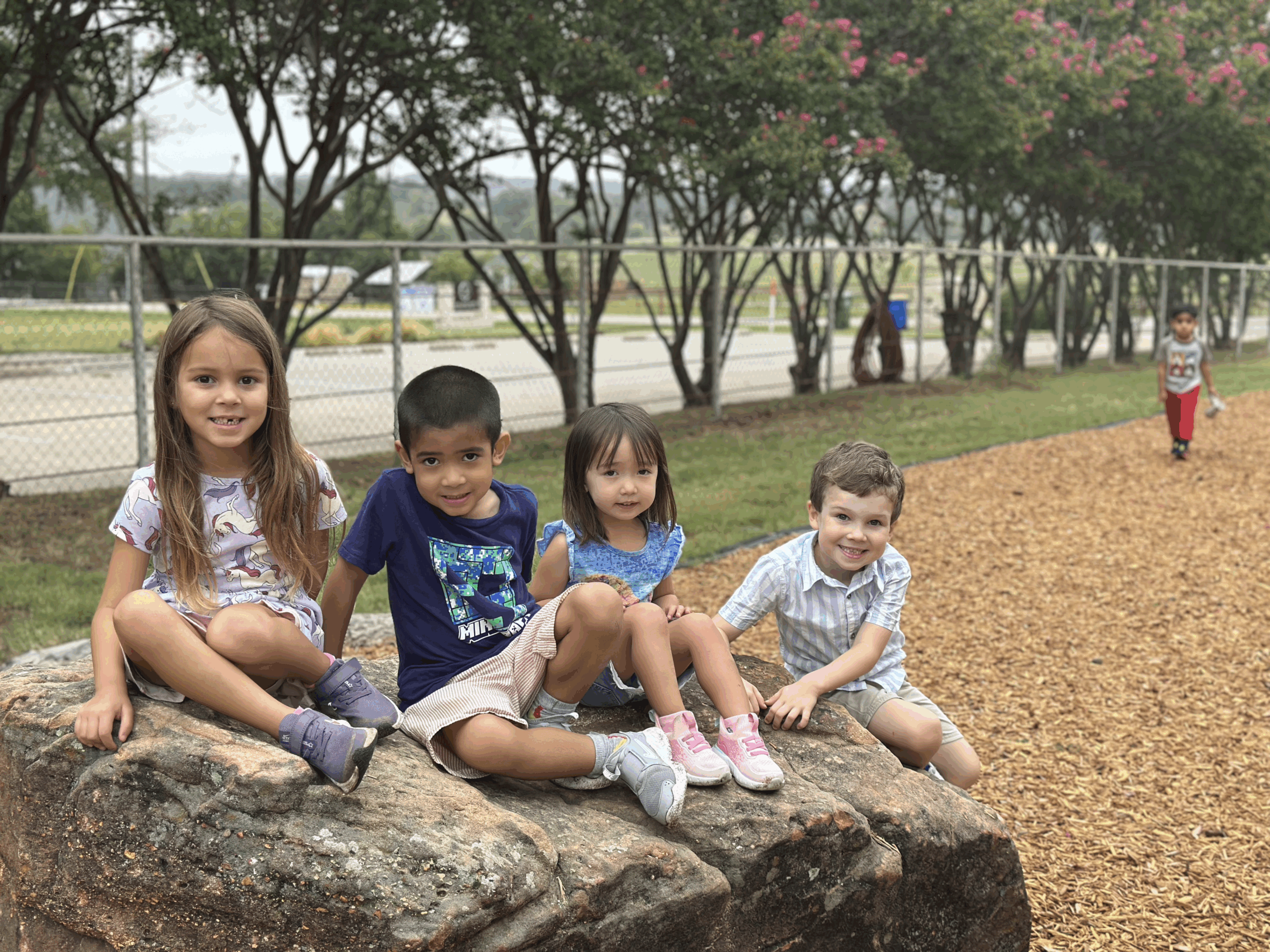
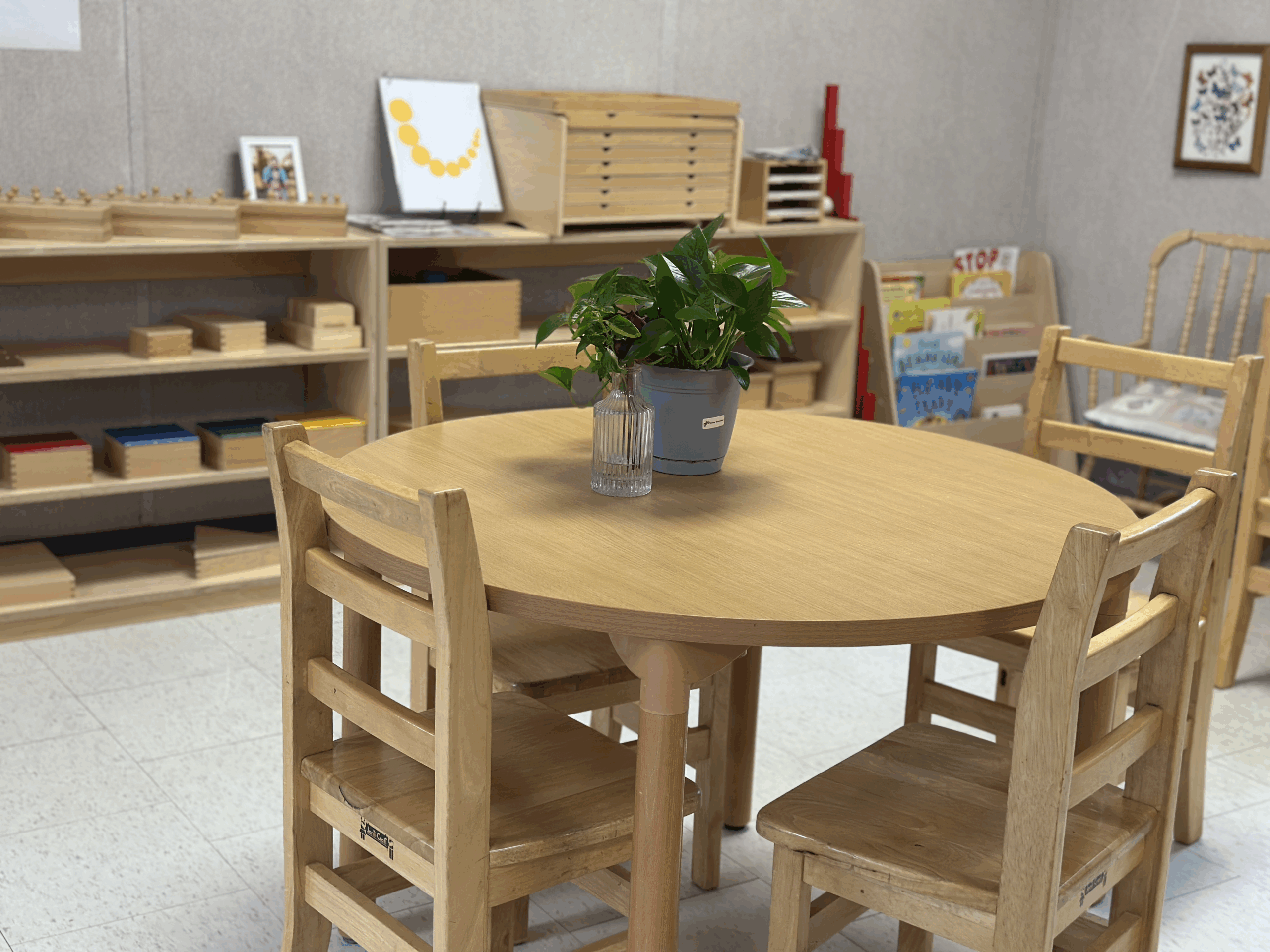
Nestled in nature, our peaceful location inspires curiosity, calm, and connection to the world around us with our spacious play area and gardens.

Flexible Hours For Busy Families

At MCDS, we understand that work schedules can be busy. We open the school for Early Bird care as early as 7:30 am, and we offer After School care as late until 5:30 pm.

Teachers who Truly Know Your Child

We pride ourselves on strong parent communication and building meaningful relationships with each student. Our Teachers truly spend time getting to know your child.

The Atmosphere

We maintain a positive atmosphere for our parents, students, and staff. We understand the importance of being courteous, respectful and honest to generate a supportive community for each child.

Parent Testimonials

My family had has children go through this wonderful school and we have one who attends now and one who will attend next year. The quality of the education, the kind and caring staff, and teachers are exceptional!!! 5 out of 5 stars. Highly recommend.
Shannon Santos MCDS Parent

I had the hardest time when first parting with my 18-month-old son for school. But from day one, the teachers and staff have been nothing short of incredible. My now 2.5-year-old has flourished and frequently asks for "more school" when we pick him up. Couldn't imagine a better place!
Jessica Hoover Elliott MCDS Parent

The teachers and staff at MCDS are such a joy, and our son loves going to school. He has learned so much and has been improving his leadership skills as well. We highly recommend MCDS, and will be sending our daughter here as well next year.

Jenna Lynn Rhoads MCDS Parent

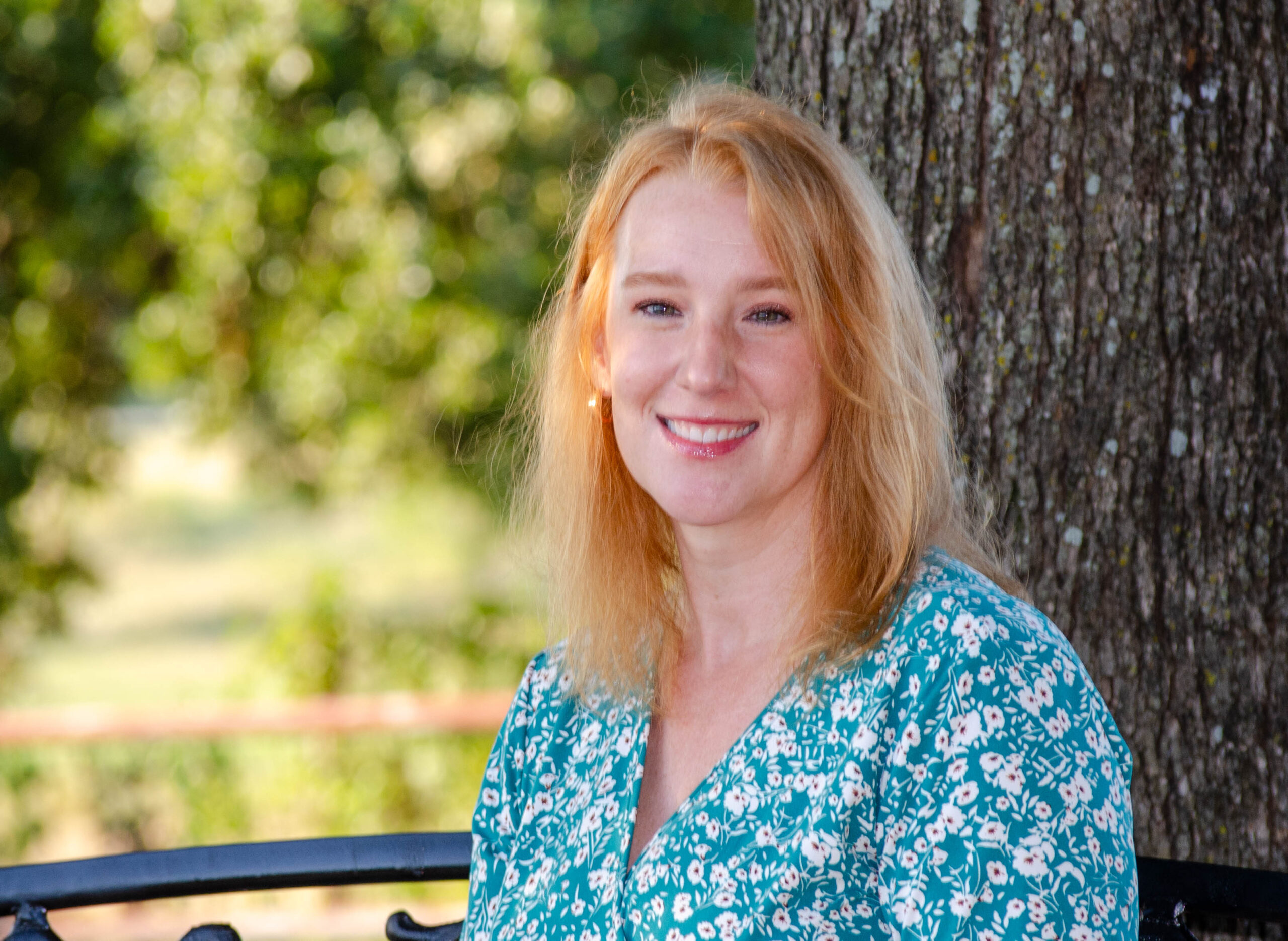
We cannot begin to say enough about MCDS! Our son (Pre-K) and daughter (Elementary) are both enrolled at the school—and it is truly a hidden gem! From the phenomenal teachers and staff, to the wonderful curriculum and small class sizes, our family is so grateful to have found MCDS!!
Maura McDermott Koonz MCDS Parent

Most Frequently Asked Questions

How Our Montessori School Differs from Daycare:

  • Education Focus vs. Basic Care:
    While traditional daycares focus mainly on caretaking and structured play to keep children safe and entertained, our Montessori school is centered on child-led learning and holistic development. Every part of our classroom and schedule is carefully designed to nurture curiosity, independence, and a love of learning.

  • Child-Centered Learning:
    In a daycare, activities are often directed by the teachers, and everyone does the same thing at the same time with the same materials. In Montessori, children are free to choose tasks that interest them, working at their own pace and ability level. This method respects each child’s individuality and encourages them to take ownership of their learning.

  • Prepared Environment:
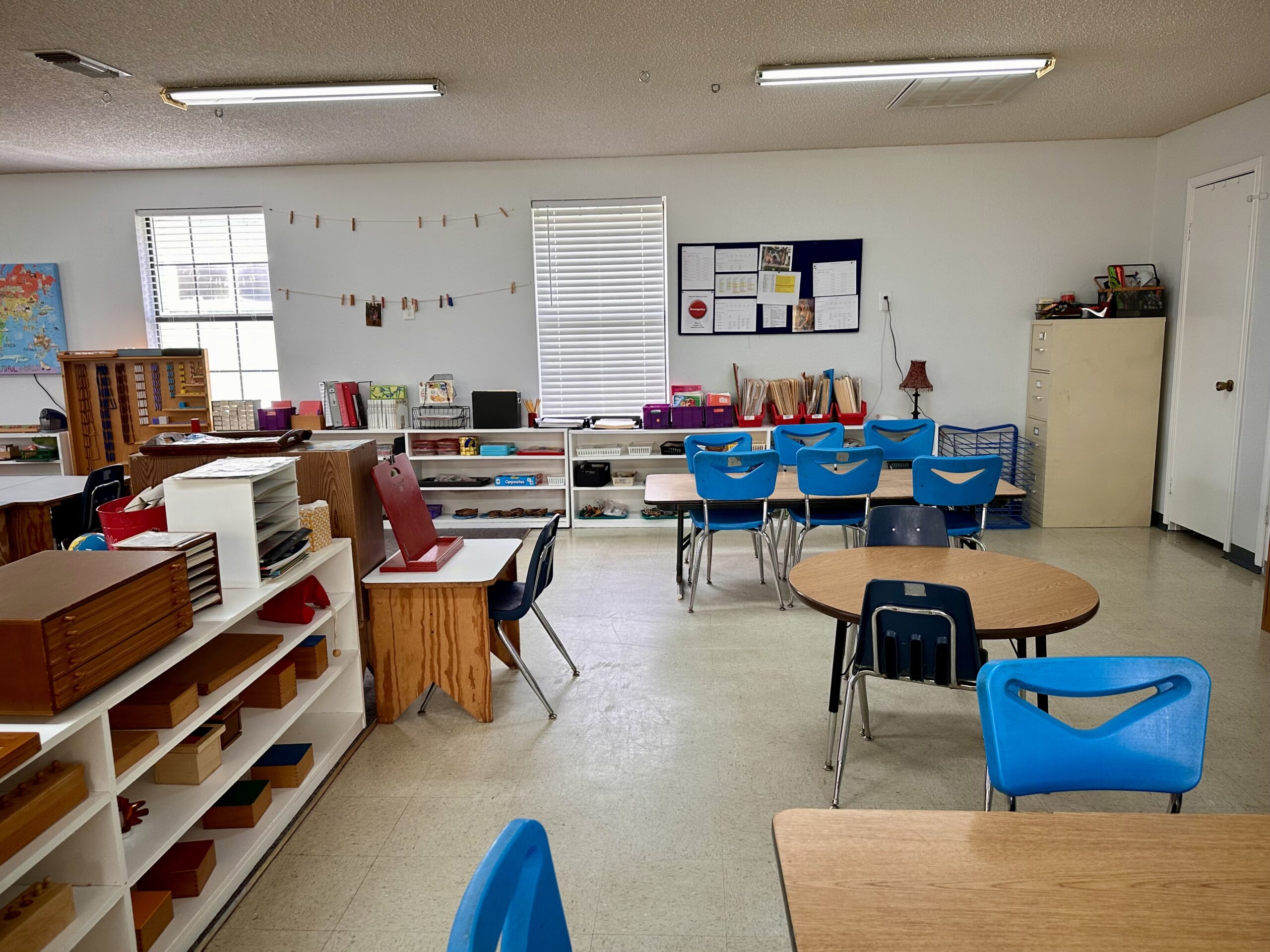
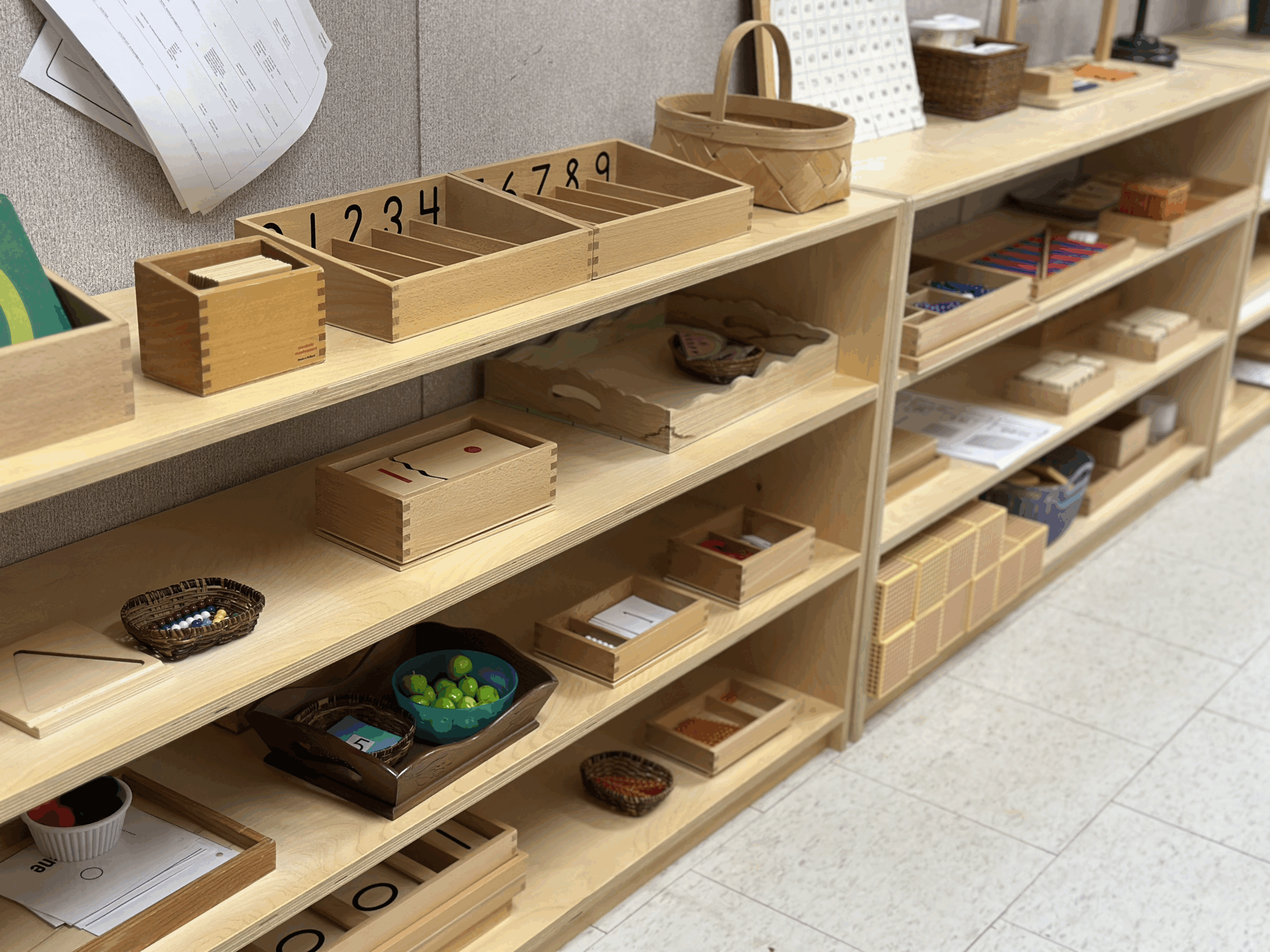
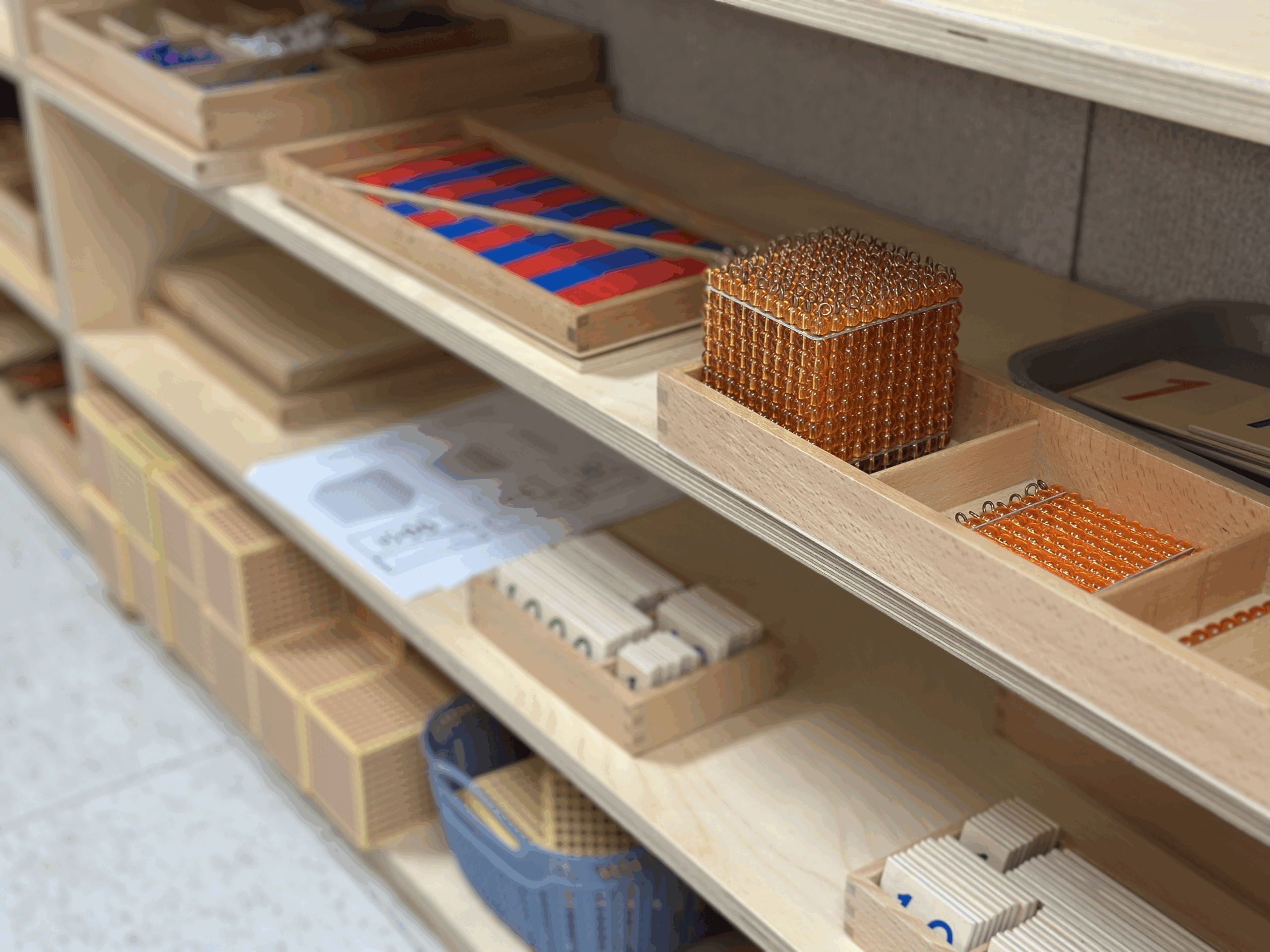
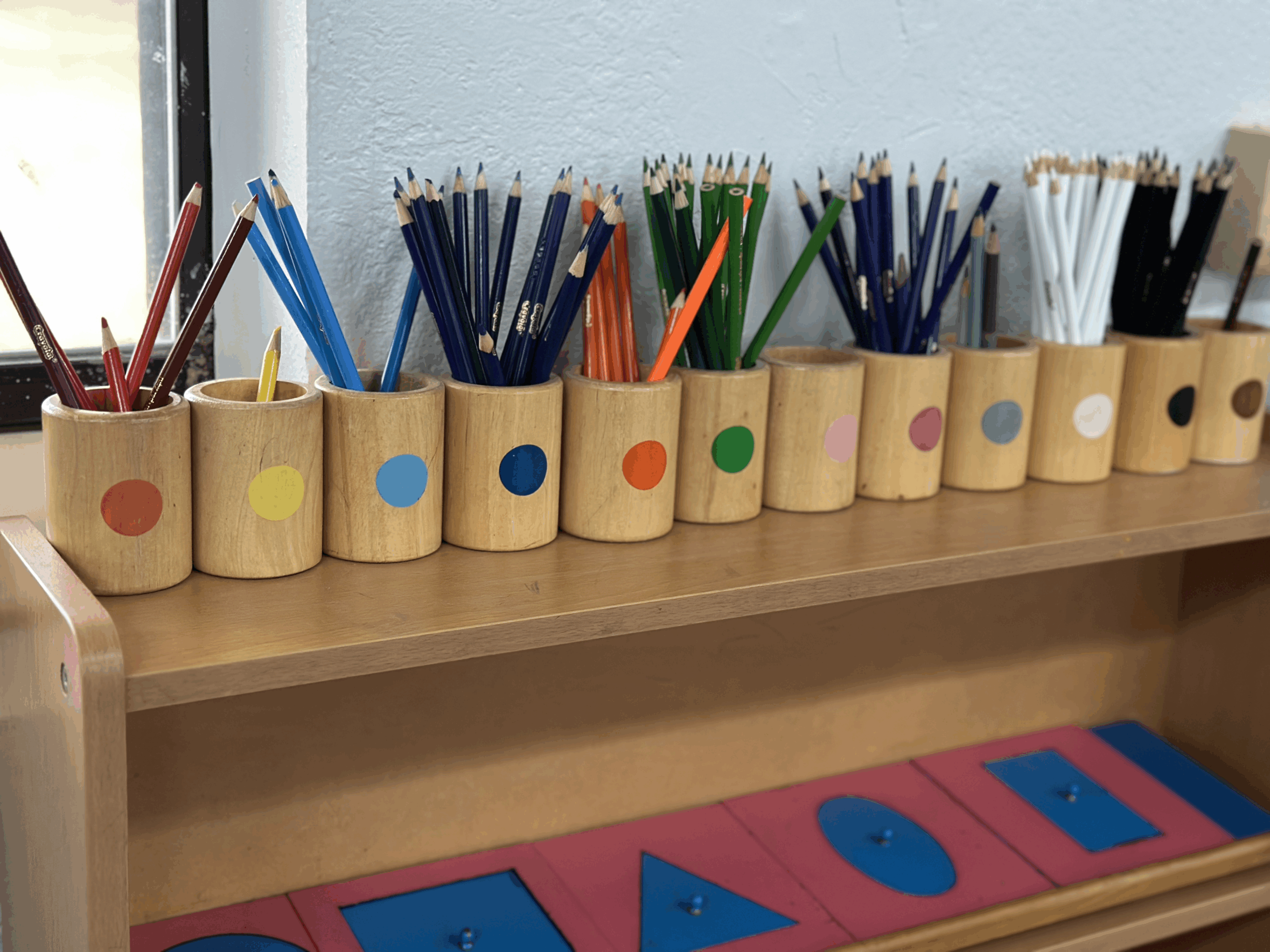
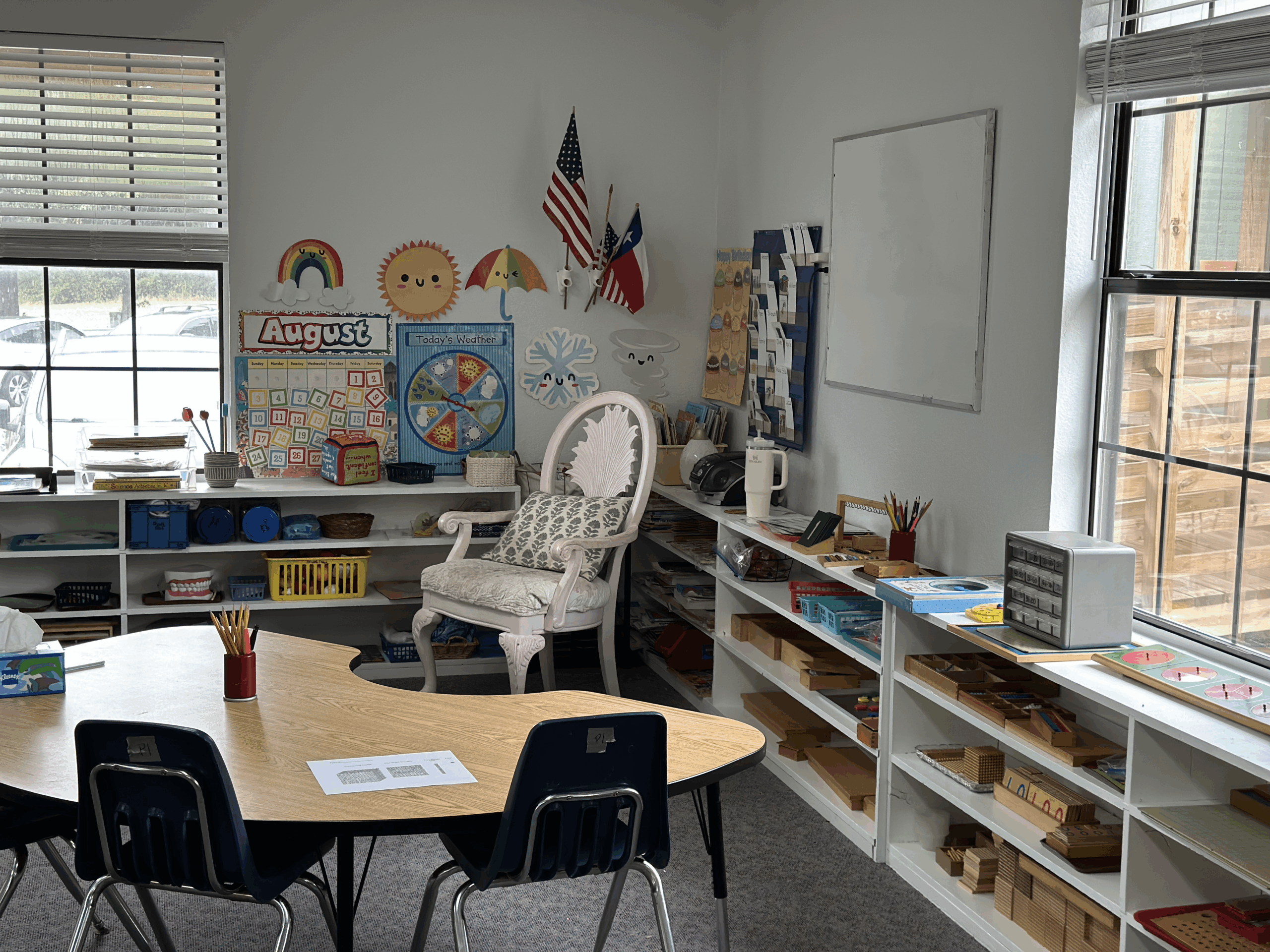
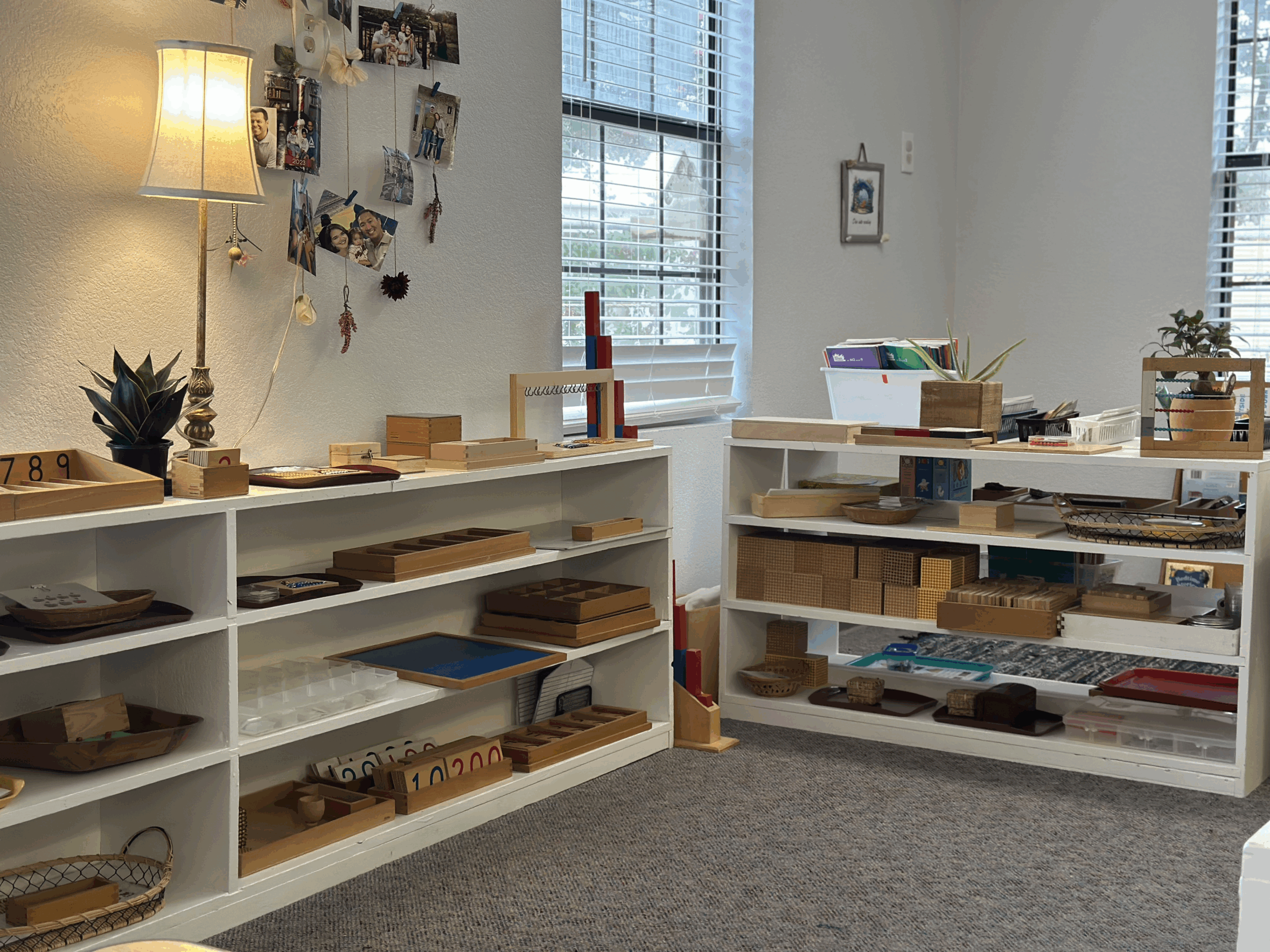
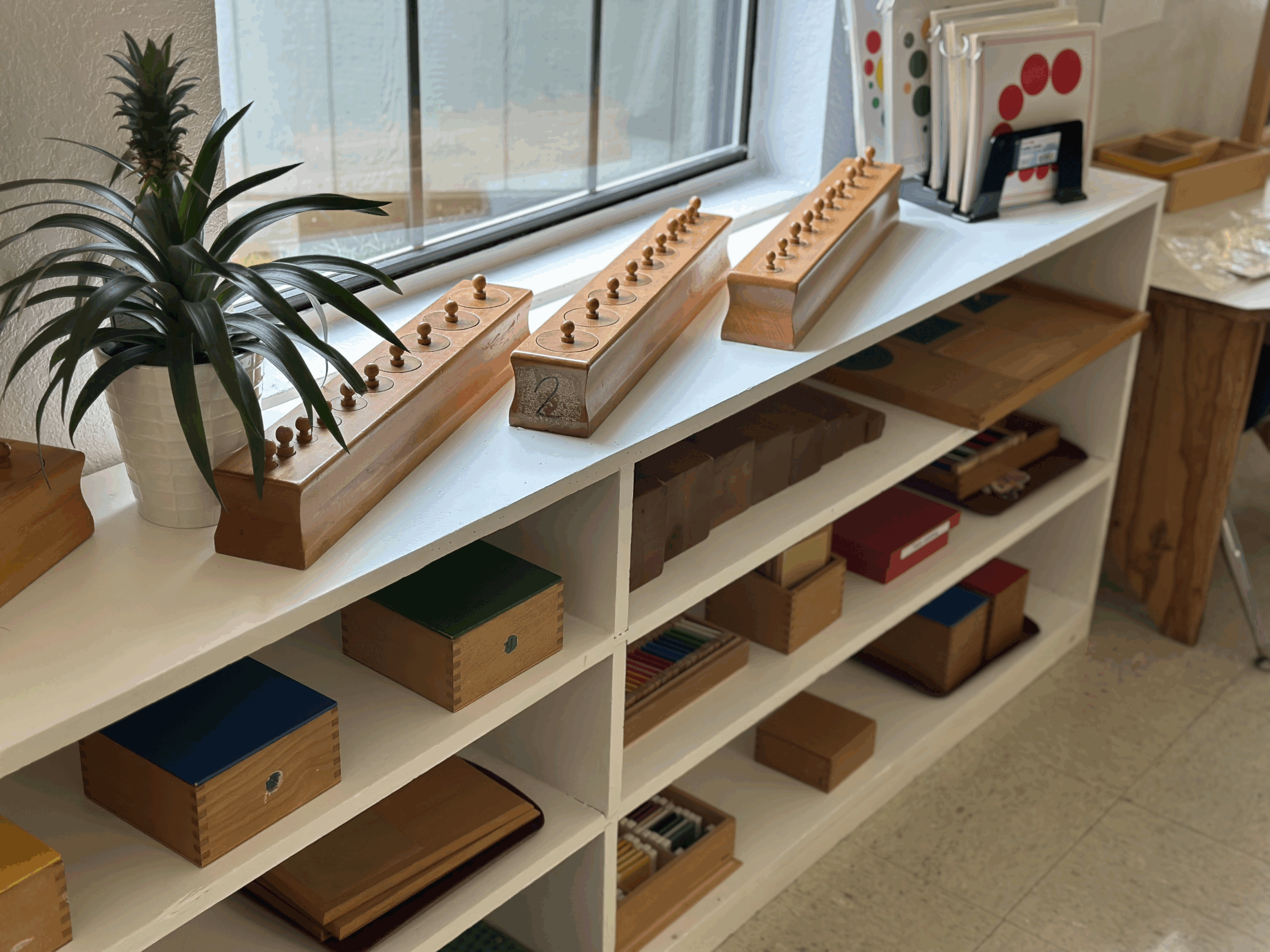
    Our Montessori classrooms are calm, uncluttered, and filled with rotating hands-on materials designed to support development. The environment is deliberately structured to promote concentration, order, and independence, unlike the often more entertainment-based settings found in typical daycares.

  • Mixed Ages and Social Learning:
    Montessori classes group children of different ages together. Older students mentor and help the younger ones, promoting leadership and empathy, while daycares typically separate children strictly by age.

  • Montessori-Trained Teachers:
    Our teachers follow the Montessori philosophy, trained to observe each child and introduce activities at the right moment to maximize growth. Daycare staff may not have specialized educational training in this method.

  • Whole Child Development:
    We nurture not just academic skills but also social, emotional, and practical life skills; preparing children for real-world success and lifelong learning. Daycare programs may focus mostly on basic cognitive development and physical needs.

Signs Your Child Is Learning in Montessori

  • Growing Independence:
    Your child starts doing more tasks for themselves—choosing their own activities, caring for their environment, and managing their daily routines autonomously. This independence is one of the strongest signs of meaningful learning in Montessori.

  • Increased Confidence and Competence:
    Look for pride in accomplishments, willingness to try new things, and resilience when facing challenges. Montessori children develop self-assurance from mastering skills through real experience and hands-on activities.

  • Curiosity and Joy in Learning:
    You may notice your child asking more questions, deeply focusing on tasks they choose themselves, or showing excitement about what they’re working on at school. Montessori education is built to nurture a love of learning, not just rote completion of tasks.

  • Development of Academic and Life Skills:
    In addition to traditional academics (reading, math, writing), children learn critical thinking, problem-solving, and practical life skills such as preparing snacks, cleaning up, or organizing their belongings.

  • Social and Emotional Growth:
    Children willingly help peers, show empathy, and resolve conflicts with increasing maturity. They become comfortable working both independently and in small groups, learning mutual respect and collaboration.

  • Self-Motivation and Concentration:
    You’ll see longer periods of concentration, with your child persisting at tasks until they reach a natural stopping point or have completed their “work cycle.” This sustained focus shows deep engagement and internal motivation.

  • Your Child Talks About Their Day:
    Many Montessori students come home excited to share experiences, new discoveries, or lessons they chose. While not every child is talkative, enthusiasm about school activities is a positive sign.

What to Expect

  • Academic Adjustment:
    Montessori students may find traditional classrooms more structured and group-directed, with the whole class often doing the same activities at the same time, rather than choosing their own work. Some children may initially feel bored or confused by this change, but most adapt and often become leaders due to their confidence, motivation, and love of learning.

  • Different Teaching Styles:
    Concepts may be taught differently, with more direct instruction and homework. Your child may be ahead or behind in certain curricular areas, but Montessori children are usually resilient and catch up quickly because they’ve learned how to learn and are resourceful at tackling new subjects.

  • Social Transition:
    Montessori students are typically well-equipped for social settings. They have experience collaborating, helping peers, and respecting the classroom community, which helps them make friends and adapt to new rules and routines quickly.

How Montessori Prepares Children to Transition

  • Adaptability and Confidence:
    Montessori education develops strong self-esteem, independent learning habits, and coping skills, preparing children to handle changes with less fear and anxiety.

  • Communication and Problem-Solving Skills:
    Children from Montessori backgrounds know how to ask questions, research new topics, and advocate for themselves, making academic transitions smoother.

  • Evidence of Success:
    Research shows that Montessori students often outperform peers from traditional education backgrounds when they transition, especially in areas like math, science, and GPA.

How to Help Your Child

  • Prepare Your Child:
    Talk about what will be different in the new school. Discuss fixed schedules, homework, and classroom expectations.

  • Support During Change:
    Be available to help with homework and navigating new routines. Offer emotional support if your child misses their Montessori classroom or feels frustrated.

  • Communicate with New Teachers:
    Share your child’s strengths with their new teachers, especially independence and curiosity, so these qualities are supported in their new environment.

The Montessori method is an educational approach created by Dr. Maria Montessori. It is designed around the idea that children learn best when they are given freedom to choose their activities and learn at their own pace within a carefully prepared environment.

Key Features of the Montessori Method

  • Child-Centered Learning:
    Children direct their own learning by selecting activities that interest them, while teachers act as guides and facilitators rather than traditional instructors.

  • Hands-On Materials:
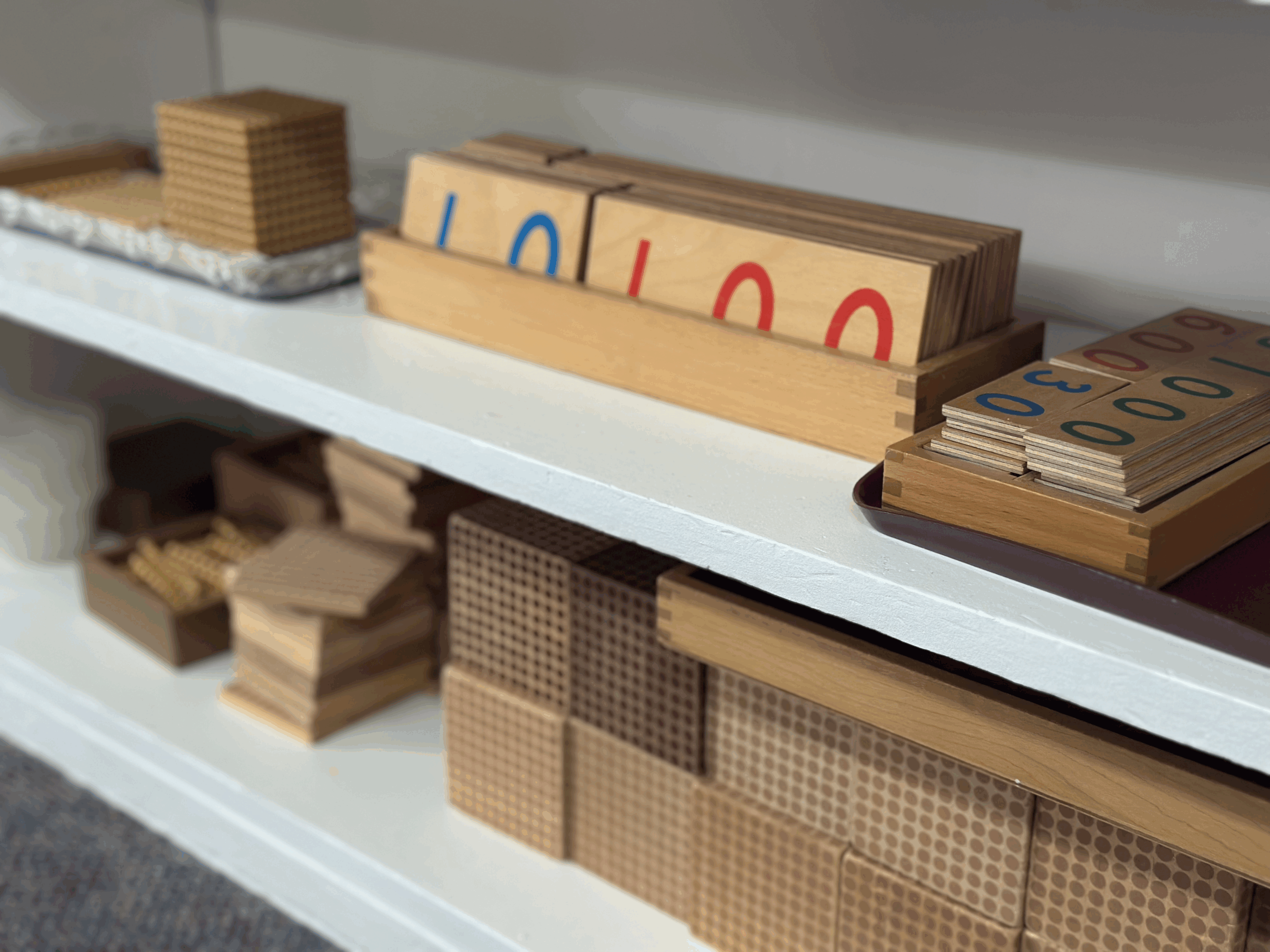
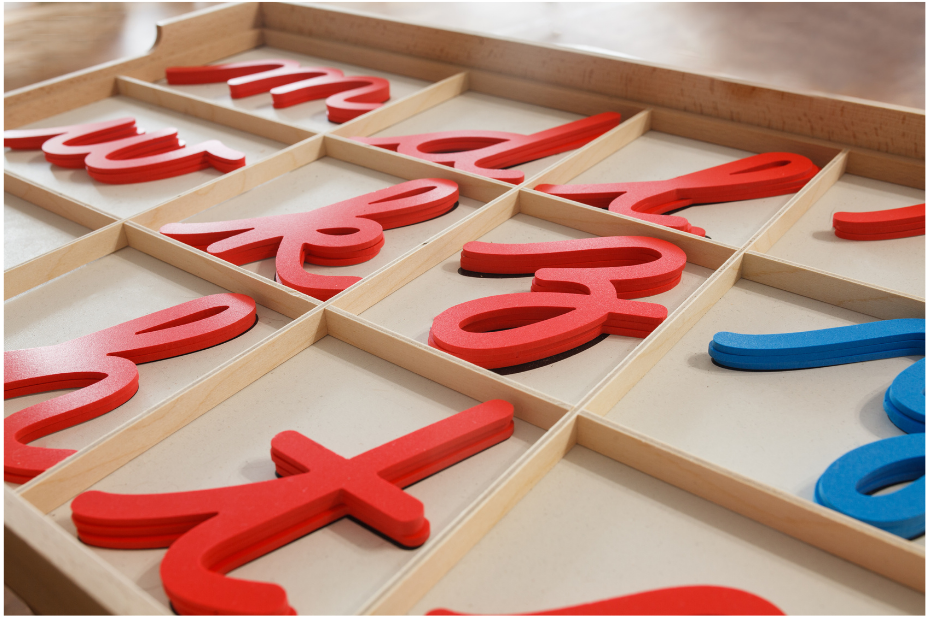
    Specially designed materials are available for children to manipulate and explore, promoting deep and concrete learning before moving to abstract concepts.

  • Mixed Age Groupings:
    Classrooms typically include children spanning three years in age, encouraging peer learning, mentoring, and collaboration.

  • Prepared Environment:
    The classroom is structured to promote independence, order, and discovery, helping children develop concentration and self-discipline.

  • Respect for the Child:
    Educators show deep respect for each child’s abilities and interests, promoting self-motivation, confidence, and a love of learning as children progress at their own natural pace.

  • Whole-Child Development:
    Montessori education addresses not only academic skills but also social, emotional, and practical life skills, aiming to nurture well-rounded, independent, and responsible individuals.

Core Principles

Some main principles include:

  • Respect for the child

  • The “absorbent mind” (children naturally absorb knowledge from their environment)

  • Sensitivity to learning at different developmental stages

  • A carefully prepared environment

  • Auto-education (children learn best when they teach themselves through experience).

The Montessori method is globally recognized for fostering independence, critical thinking, and a lifelong love of learning in children

Montessori Discipline Approach

  • Focus on Self-Discipline:
    The ultimate goal in Montessori is for children to develop the ability to regulate their own behavior. Instead of relying on adults for discipline, children learn self-control through experience, practice, and reflection.

  • Respectful Communication:
    Teachers and adults model and use calm, clear, and respectful language. Misbehavior is addressed with explanations, discussions, and empathy, so children understand how their actions affect others and themselves.

  • Natural and Logical Consequences:
    Instead of artificial punishments, Montessori encourages children to experience the natural consequences of their actions, helping them make connections between choices and outcomes. For example, if a work is misused, it might be put away. If a mess is made, the child is guided to clean it up.

  • Freedom Within Limits:
    Children are given as much independence as possible within healthy, clearly defined boundaries. These limits are based on safety and respect for the community and environment. Children learn why rules exist and help set them, making them more meaningful and easier to follow.

  • Positive Redirection and Choices:
    Instead of saying "no" repeatedly, Montessori guides will redirect a child toward appropriate alternatives and provide choices when possible, supporting independence and problem-solving skills.

  • Repair and Amends:
    Children are taught to make amends when they hurt someone or disrupt the classroom. This might involve apologizing, replacing a broken item, or helping someone they have upset. This process fosters empathy and responsibility.

  • Emotional Validation and Support:
    Students are encouraged to express their feelings and are supported in learning how to manage emotions constructively. Teachers validate emotions and help students develop strategies to cope, communicate their needs, and develop their emotional intelligence.

Our MCDS Faculty

Our MCDS faculty are the heart of our school, and together we empower and nurture our students. We are here because we love what we do, and we are inspired by our students. 

Ms. Geneva Jones

Head of School

Ms. Natalie Snell

Owner
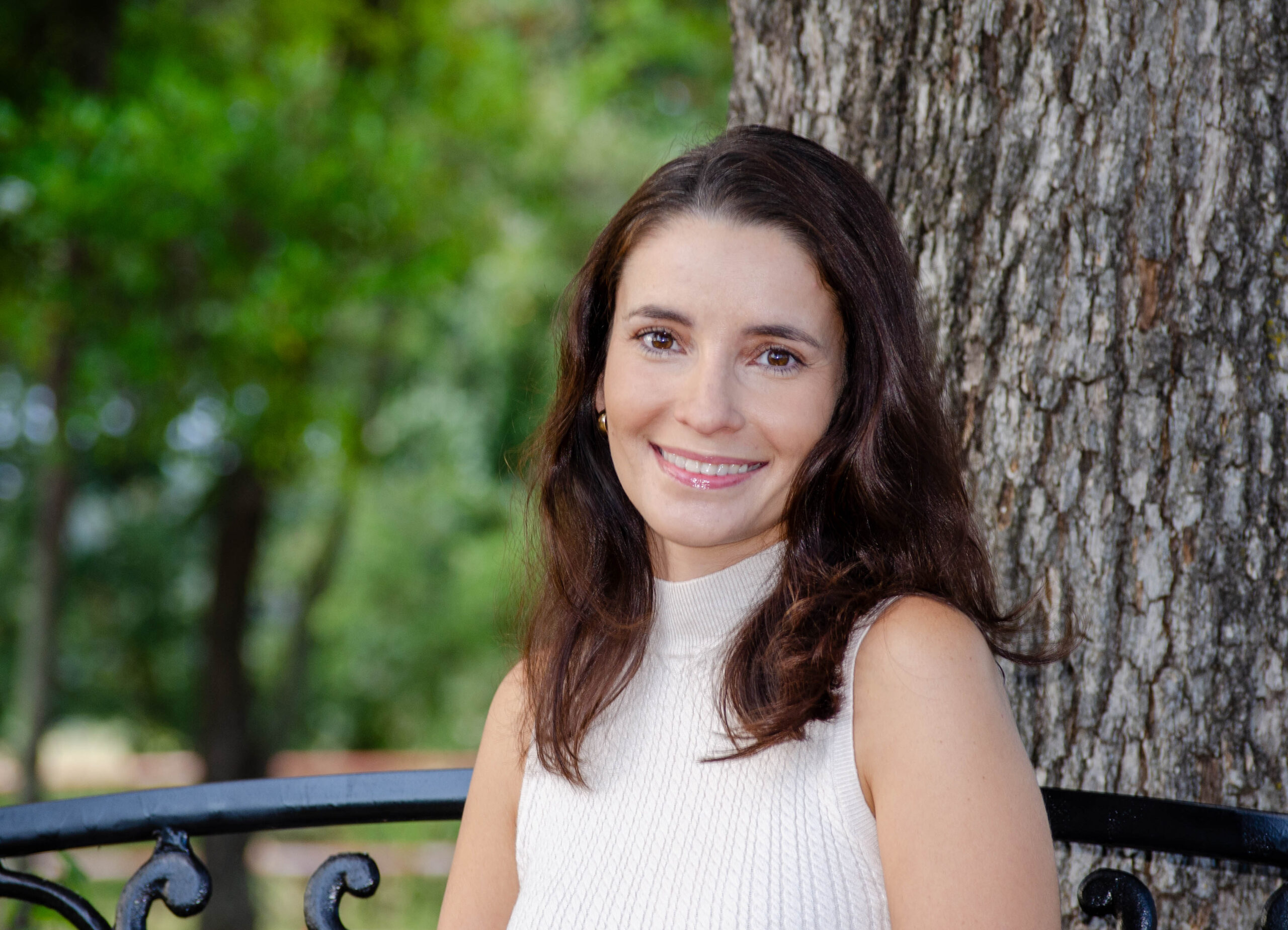
Ms. Leslie Jenkins

Admin Assistant
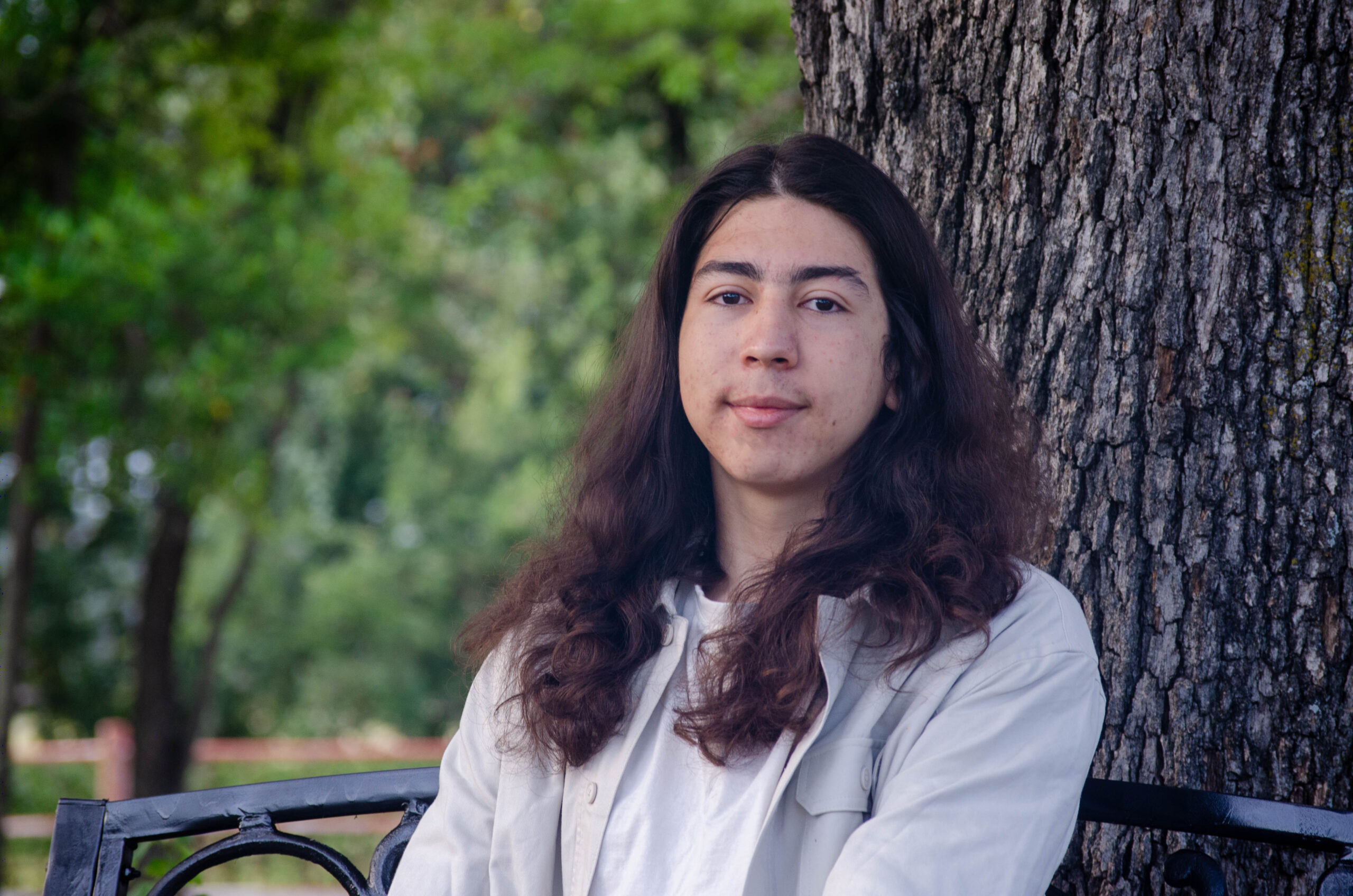
Mr. Aiden Snell

Admin Assistant

Learn About Our Montessori School Programs

Our Montessori Programs include Pre-Primary to Upper Elementary, and we start enrolling students as early as 15 months. We offer both half day and full day programs for our Pre-Primary and Primary students allowing schedule flexibility for parents and students.

Our Programs Core hours are from 8:15 am - 2:15 pm, however we off early bird hours with drop-off beginning at 7:30am and extended after care hours until 5:30pm.

Pre-Primary & Toddler Program

18 mos. - 3 years old

Primary & Pre-K & Kindergarten

3 - 6 years old

Lower Elementary & 1st- 3rd grade

6 - 9 years old

Upper Elementary & 4th - 6th grade

9 - 12 years old

Ready to Join Our Family?

Interested in what your next steps are? We are passionate about delivering an exceptional Montessori school experience to our families. Call us or click below to schedule a tour, apply, or complete a contact form to learn more information about what our school has to offer. 

Scroll to Top