Bringing Montessori Home
Discover ways that families can practice Montessori at home.

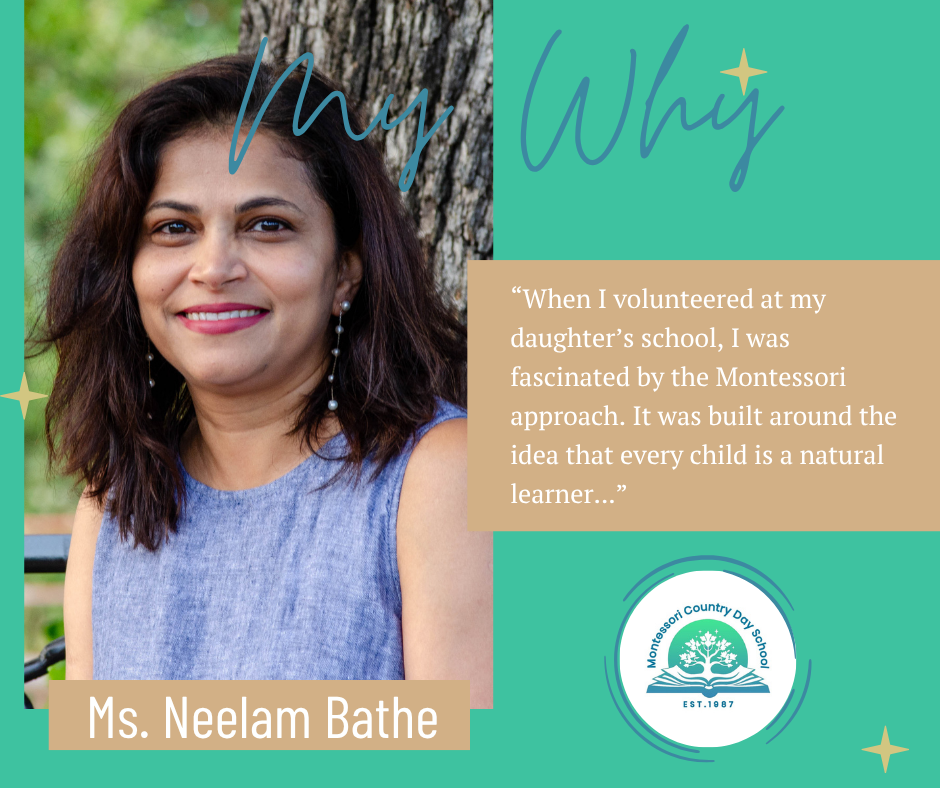
Finding Purpose At the heart of Montessori education lies a deep sense of purpose. The work we do every day is more than teaching, it’s nurturing growth, independence, and a
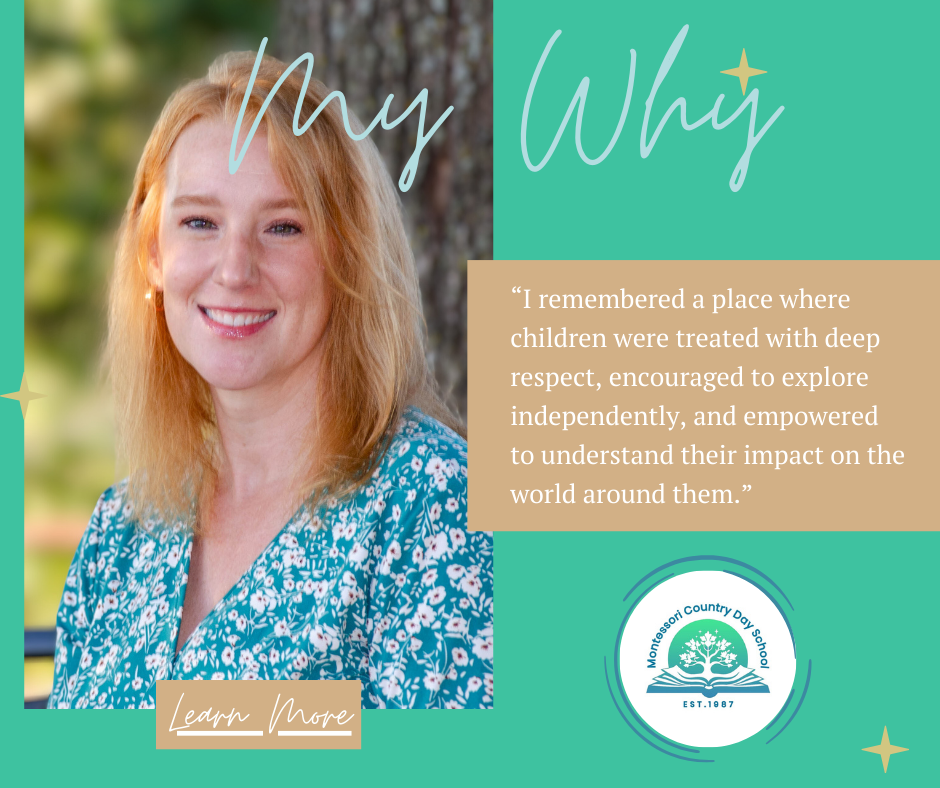
“I remembered a place where children were treated with deep respect, encouraged to explore independently, and empowered to understand their impact on the world around them.”
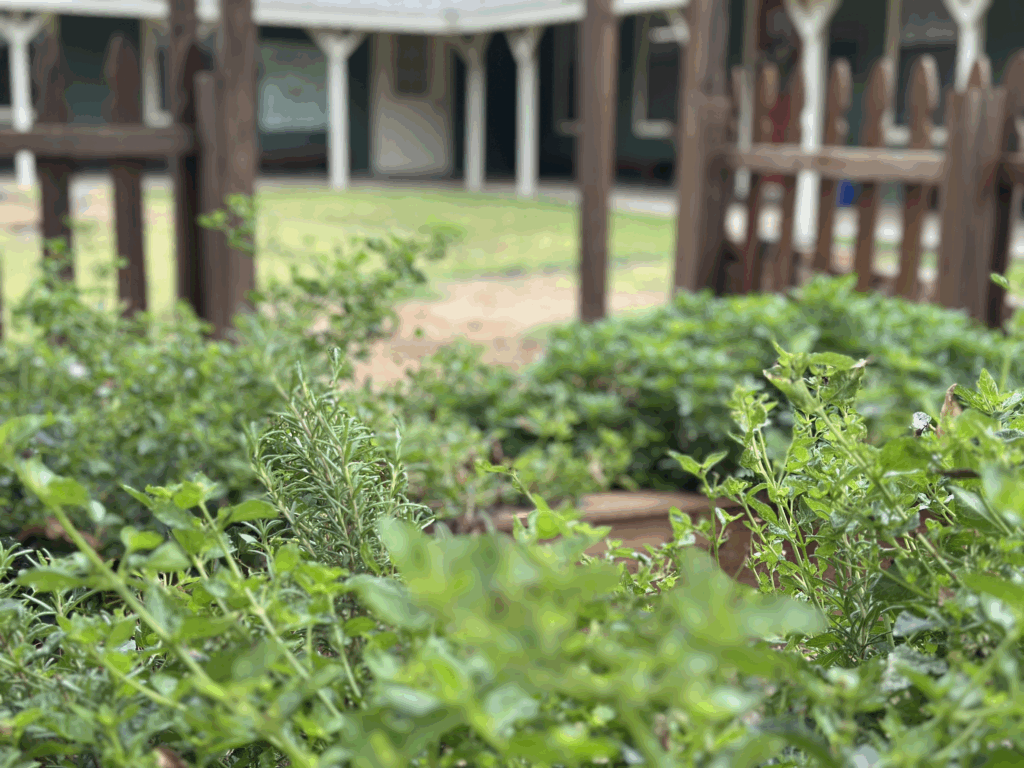
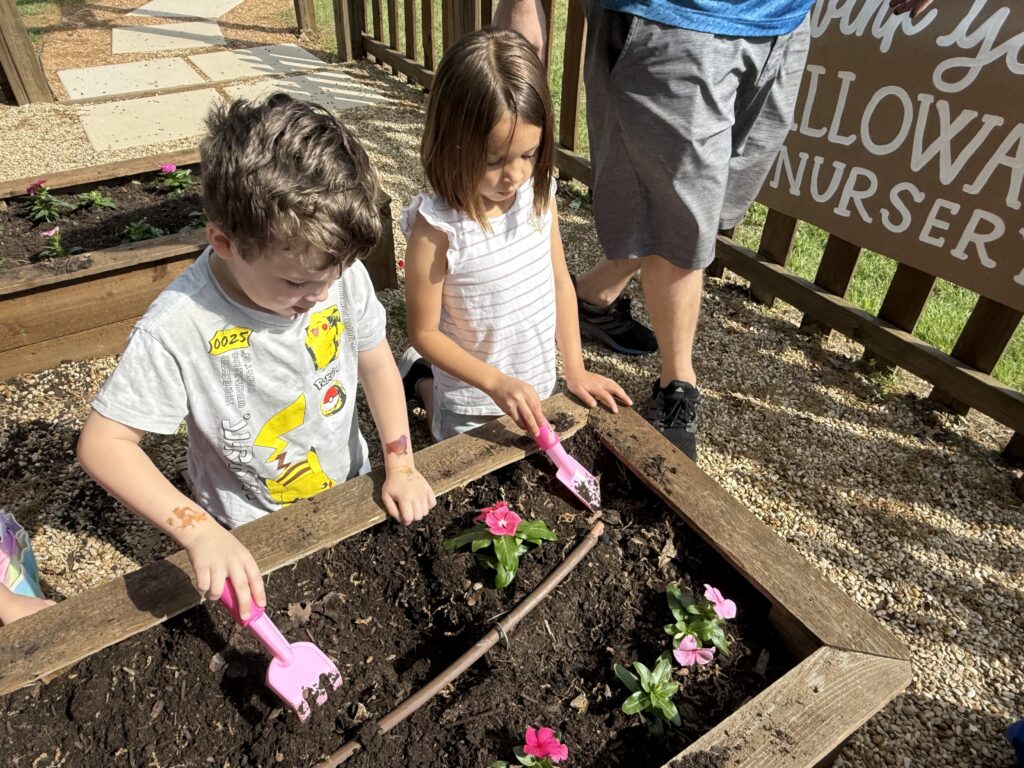
Developing a deep connection to nature is a cornerstone of the Montessori philosophy, shaping not only how children learn but also who they become as adults…
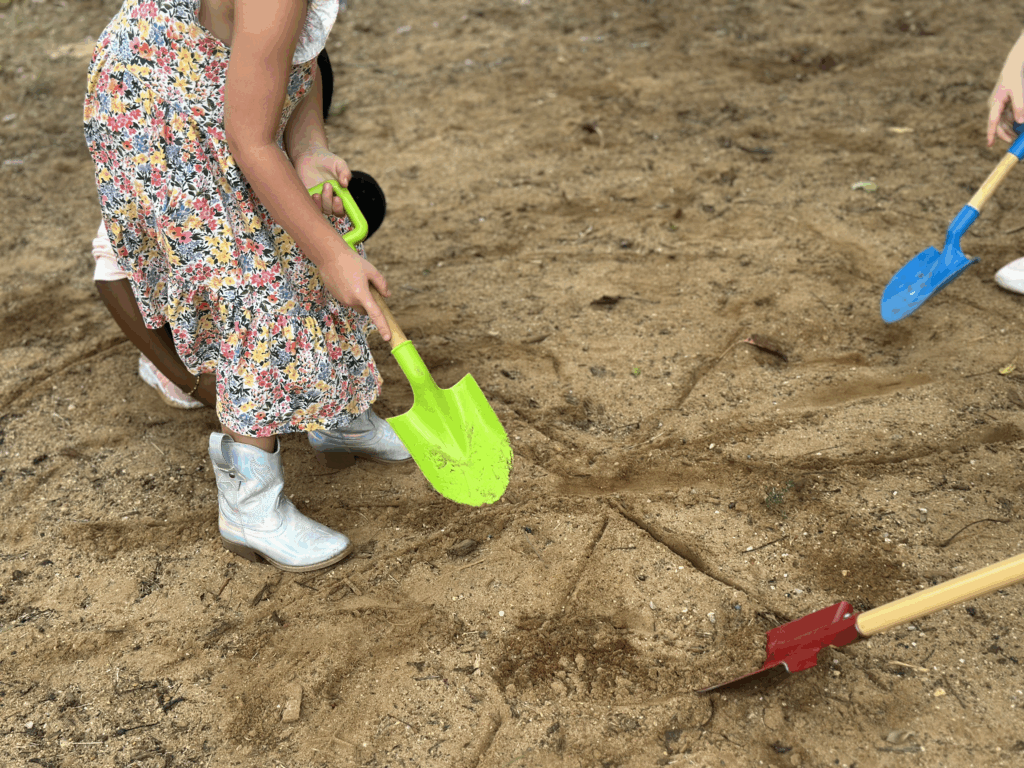
Curiosity and a willingness to get messy are not just endearing childhood traits—they are essential drivers of cognitive development …

Montessori Country Day School Welcomes Ms. Natalie Snell, a seasoned educator and administrator with more than 40 years of Montessori experience
Montessori Primary/Kindergarten Curriculum (Ages 3-6 years old)
Practical Life
Sensorial
Language
Mathematics
Cultural Studies
Art and Music
Social and Emotional Development
Structure & Approach: Children choose their own work from accessible materials, repeat activities to mastery, and learn through hands-on experience in a prepared environment guided by Montessori principles of respect, independence, and individualized pacing.
A Montessori pre-primary/toddler curriculum for children ages 18 months–3 years centers on fostering independence, language, sensory exploration, motor skills, and social-emotional growth through structured, purposeful activities rooted in Montessori principles.
Core Curriculum Areas and Sample Activities:
Practical Life Skills
Sensorial Exploration
Language Development
Motor Development
Social and Emotional Growth
Culture and Exploration of the World (optional for advanced toddlers)
Curriculum Structure and Approach:
Each day, children freely choose activities from shelves, work independently or in small groups, and repeat exercises for mastery. The environment is prepared with child-sized furniture and materials easily accessible, supporting self-directed learning and responsibility. Educators act as guides, presenting lessons at appropriate developmental stages and then stepping back to observe, intervening only when support is needed.
Progression:
Children move through curriculum areas at their own pace, based on interest and readiness, with lessons increasing in complexity as skills are mastered. This curriculum ensures a holistic developmental path, emphasizing hands-on experience, personalized learning, and the nurturing of each child's unique potential, aligned with Montessori philosophy.